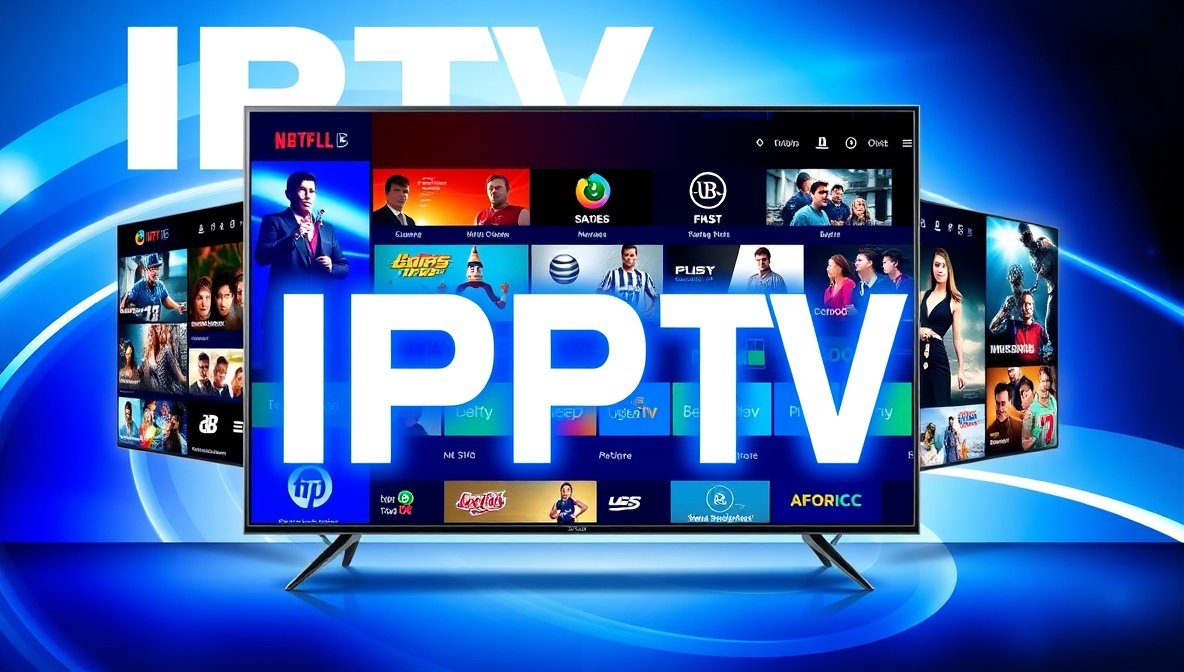
Streaming has become a central part of home entertainment, and IPTV services are now widely used as an alternative to traditional cable and satellite TV. One of the most important features modern users look for is multi-connection support. This feature allows a single IPTV subscription to be used on multiple devices at the same time, making it ideal for families and shared households.
Instead of limiting viewing to one screen, multi-connection IPTV plans allow everyone in the home to watch different content simultaneously on smart TVs, phones, tablets, or streaming boxes. This flexibility is changing how households consume entertainment, especially where different age groups have different viewing preferences.
In this guide, we will explore what makes IPTV with multi-connection plans valuable, how they work, what features to look for, and Iptv Reviews why they are becoming the preferred choice for families and shared device environments.
What Is IPTV with Multi-Connection Plans
IPTV (Internet Protocol Television) delivers TV content over the internet instead of traditional broadcast methods. A multi-connection plan allows a single IPTV subscription to run on more than one device at the same time.
For example, one subscription may support 2, 3, 5, or even unlimited connections depending on the provider. This means one person can watch live sports in the living room while another watches movies in the bedroom and a third streams cartoons on a tablet.
Without multi-connection support, IPTV services typically allow only one active stream at a time, which can be restrictive in a shared environment.
Why Multi-Connection IPTV Is Important for Families
Families today rarely share the same viewing preferences. Children may prefer cartoons, teenagers may watch YouTube-style content or series, and adults may enjoy news, sports, or movies. Multi-connection IPTV solves this conflict by allowing simultaneous viewing.
It also eliminates the need to purchase multiple subscriptions for the same household, reducing overall entertainment costs. Instead of paying separately for each device or family member, one plan can serve the entire home.
Another advantage is convenience. There is no need to log out or switch devices constantly. Each user can access content independently without interruption.
Key Benefits of Multi-Connection IPTV Plans
The biggest advantage is flexibility. Users are no longer tied to a single screen or location. Any compatible device can become a viewing screen, including Smart TVs, Android TV boxes, Firestick devices, smartphones, laptops, and tablets.
Cost efficiency is another major benefit. Best IPTV single subscription supporting multiple streams is significantly cheaper than buying separate services for each user.
It also improves user experience in busy households. Everyone gets their own entertainment space without conflicts over what to watch.
Additionally, many IPTV providers offer synchronized quality across devices, meaning each stream maintains stable resolution and performance even when used simultaneously.
Important Features to Look for in Multi-Connection IPTV
When choosing an IPTV service with multi-device support, several key features should be considered.
First is connection stability. A good provider should ensure that multiple streams do not reduce performance or cause buffering.
Second is device compatibility. The service should work on a wide range of platforms including Android, iOS, Smart TVs, MAG boxes, and popular streaming apps.
Third is server quality. High-quality servers reduce lag and ensure smooth playback even during peak usage times.
Fourth is channel variety. A strong IPTV service should include live TV, sports, movies, and international channels to meet the needs of different family members.
Finally, customer support is essential. Since multiple connections can sometimes require configuration help, responsive support ensures a better overall experience.
How Multi-Connection IPTV Works
Multi-connection IPTV works by allowing multiple IP streams under one subscription license. When a user purchases a plan, the provider assigns a specific number of allowed active connections.
Each connection operates independently, meaning different users can access different content simultaneously. The IPTV server manages bandwidth distribution to ensure that all streams remain stable.
Some providers also offer dynamic connection management, where users can switch devices without being permanently locked into one setup. This makes the system highly flexible for households where devices are frequently used in different rooms.
Best Devices for Multi-Connection IPTV Use
Multi-connection IPTV performs best when used across modern streaming devices. Smart TVs are the most common option, providing a large-screen experience in living rooms or bedrooms.
Android TV boxes are another popular choice because they support a wide range of IPTV apps and offer smooth performance.
Amazon Firestick devices are also widely used due to their affordability and portability.
For mobile users, smartphones and tablets allow IPTV streaming on the go, making it possible for each family member to watch content independently even outside the home.
Laptops and PCs also provide flexibility for users who prefer desktop viewing.
Choosing the Right Number of Connections
IPTV providers usually offer different multi-connection tiers such as 2, 3, 4, or 5 connections. Choosing the right number depends on household size and usage habits.
For small households or couples, 2 connections may be sufficient.
For medium families, 3 to 4 connections provide balanced coverage.
For larger households or shared accommodations, 5 or more connections may be ideal to ensure everyone has uninterrupted access.
It is important not to overpay for unnecessary connections, but also not to underestimate usage needs.
Common Issues with Multi-Connection IPTV
While multi-connection IPTV is highly convenient, there are a few challenges users may face.
Bandwidth limitations can affect performance if internet speed is not strong enough to support multiple HD or 4K streams simultaneously.
Some low-quality providers may also restrict performance during peak hours, leading to buffering or lag.
Another issue is device mismanagement, where users accidentally exceed the allowed number of connections, causing temporary service interruption.
Choosing a reliable provider helps minimize these issues significantly.
How to Set Up Multi-Connection IPTV at Home
Setting up IPTV with multiple connections is usually simple. After subscribing, users receive login details such as a playlist URL or credentials for an IPTV app.
Each device is then configured individually using the same account details. The IPTV app installed on each device handles streaming independently.
Once set up, users can immediately start watching different content on different screens without additional configuration.
A stable internet connection is recommended, preferably with higher bandwidth to support simultaneous HD or 4K streaming.
Advantages Over Traditional Cable TV
Compared to traditional cable TV, multi-connection IPTV offers far greater flexibility. Cable TV typically restricts viewing to a single television per subscription, while IPTV allows multiple devices.
IPTV also provides a broader range of content including international channels, on-demand movies, and sports events that may not be available through cable providers.
Another advantage is portability. IPTV can be accessed anywhere with an internet connection, while cable TV is fixed to a physical location.
Cost savings are also significant, especially for families who previously needed multiple cable boxes or subscriptions.
Future of Multi-Connection IPTV Services
The future of IPTV is strongly connected to personalization and multi-device integration. As internet speeds improve globally, more households will shift toward IPTV systems that support multiple simultaneous streams without performance loss.
Artificial intelligence may also play a role in recommending personalized content for each user on shared subscriptions.
Additionally, cloud-based IPTV platforms will likely improve synchronization across devices, making switching between screens even smoother.
Conclusion
Multi-connection IPTV plans have become an essential feature for modern households. They provide flexibility, cost efficiency, and convenience for families and shared living environments.
With the ability to stream different content on multiple devices at the same time, users no longer need to compromise on entertainment choices. From Smart TVs to mobile devices, IPTV ensures that everyone in the household gets a personalized viewing experience.
Choosing the right provider with stable servers, strong device support, and appropriate connection limits is key to getting the best performance. As streaming technology continues to evolve, multi-connection IPTV will remain one of the most practical solutions for home entertainment.

Related Posts